
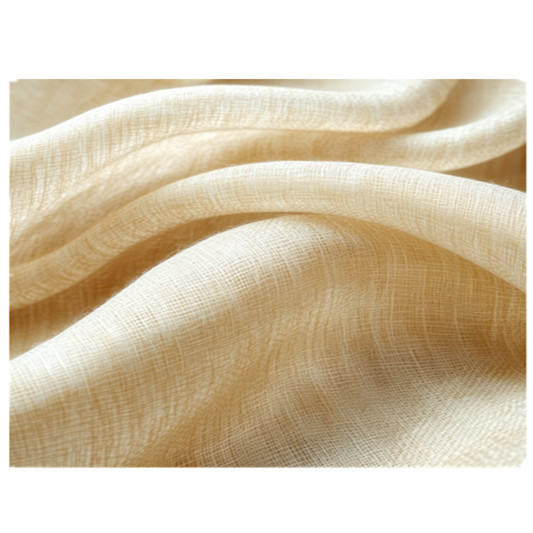
The future of casual wear isn’t just about new styles—it’s about new substances. While classic fleece and cotton will always have their place, forward-thinking brands are exploring innovative fabrics that offer sustainability, performance, and a unique story. Here are 5 trending fabrics set to define the next generation of casual apparel.
Today’s consumers are more informed and value-driven than ever. They’re looking for clothing that not only looks good but also aligns with their values of comfort, durability, and environmental responsibility. Integrating these fabrics can give your brand a significant edge.
1. Recycled PET (rPET) Fleece & Jersey
This isn’t just recycling; it’s a revolution in material sourcing.
- What It Is: Fabric made from recycled plastic bottles. The PET is cleaned, shredded into flakes, melted, and spun into new polyester yarn.
- Why It’s Trending: It directly addresses plastic waste, creating a powerful “green” narrative for your brand. The quality and performance are identical to virgin polyester.
- Best For: Eco-conscious hoodies, sweatpants, performance t-shirts, and outerwear lining. It’s a direct, sustainable upgrade to traditional fleece.
- Production Insight: Working with rPET requires sourcing certified recycled yarns, but the manufacturing process remains the same, making it an easy switch for brands.
2. Tencel™ Lyocell (Botanical-Based Fiber)
Silky smoothness meets environmental science.
- What It Is: A fiber made from sustainably sourced wood pulp (usually from eucalyptus trees) in a closed-loop process that recycles over 99% of the water and solvents used.
- Why It’s Trending: It’s incredibly soft, breathable, and has a beautiful, fluid drape. Its biodegradable nature and eco-friendly production process make it a winner for the sustainability-minded consumer.
- Best For: Elevated loungewear, premium t-shirts, lightweight jackets, and blending with cotton to add a luxurious hand-feel.
- Production Insight: Tencel dyes beautifully and has excellent color retention. Its drape is ideal for relaxed, fluid silhouettes in casual wear.
3. Hemp Blends (The Comeback King)
Hemp is shedding its hippie image and emerging as a premium, eco-powerhouse.
- What It Is: Fiber from the hemp plant, often blended with organic cotton for softness.
- Why It’s Trending: Hemp requires far less water and no pesticides compared to conventional cotton. The resulting fabric is highly durable, breathable, and becomes softer with every wash.
- Best For: Durable workwear-inspired casual pieces, button-down shirts, and heavyweight t-shirts meant to last for years.
- Production Insight: Modern processing techniques have solved the roughness traditionally associated with hemp, creating blends that are both tough and comfortable.
4. Coffee Ground Fabric (S.Café® or Similar)
Your morning coffee is now a performance material.
- What It Is: A yarn created by embedding recycled coffee grounds into polyester or nylon fibers.
- Why It’s Trending: It’s innovative and story-rich. The coffee particles create a porous structure that makes the fabric exceptionally quick-drying and effective at odor control by neutralizing smells rather than just masking them.
- Best For: Performance-oriented casual wear, like gym-to-street styles, socks, and polo shirts where odor management is a key benefit.
- Production Insight: This is a specialized fabric that requires sourcing from specific innovators, but it offers a unique selling proposition that competitors won’t have.
5. Seersucker & Textured Cottons (The Cool & Wrinkle-Resistant)
Breathability makes a major comeback in casual silhouettes.
- What It Is: Seersucker is a thin, puckered fabric, traditionally cotton, known for its signature textured stripes. The puckering is created by varying tension in the threads during weaving, which means it doesn’t require ironing.
- Why It’s Trending: It offers unparalleled breathability and a relaxed, textured look that adds visual interest without prints. Its inherent wrinkle resistance makes it perfect for travel-friendly casual wear.
- Best For: Relaxed shorts, casual shirts, summer dresses, and unique paneling on hoodies or joggers for a textural contrast.
- Production Insight: The texture is woven in, so it’s permanent. It provides a high-fashion, tactile element with very practical benefits.
How to Integrate Trend Fabrics into Your Line
You don’t need to overhaul your entire collection. Start small:
- Test with a Hero Product: Launch one “eco” or “innovative” style in a trending fabric to gauge customer response.
- Blend for Transition: Use fabric blends (e.g., hemp/organic cotton) to introduce new materials at a accessible price point and feel.
- Tell the Story: The biggest value of these fabrics is the narrative. Use hangtags and marketing to explain why your choice of material matters.
Partner with a Factory That Knows Materials
Navigating these new fabrics requires a manufacturer with experience and a robust sourcing network. At Sirui Apparel, we stay ahead of material trends and have established relationships with mills that produce these innovative textiles. We can help you source the right fabric, test its performance, and execute your designs with precision.
Ready to weave the future into your collection? Contact us to discuss how these trending fabrics can elevate your brand and appeal to the modern consumer.





Add comment